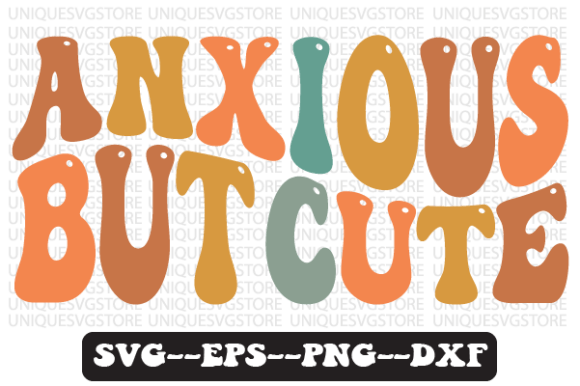
Anxious but Cute Wavy Retro Svg Design
When I first opened the files for Anxious but Cute Wavy Retro Svg Design, my initial reaction was a mix of recognition and practical curiosity. As someone who spends half their day troubleshooting thread jams and the other half brainstorming unique angles for handmade products, I don’t just look at a design; I look at how it will behave under the needle. This particular piece, categorized under Crafts and Graphics, promises that specific blend of modern mental health awareness and vintage aesthetics that has been dominating Etsy listings and craft fair booths lately. But does it hold up in real-world embroidery? Let’s break down exactly what this file brings to the table for your next project.
The First Impression: Mood and Visual Personality
The title says it all, and the visual execution matches. The design leans heavily into the "groovy" aesthetic with its wavy lines and retro typography feel, but it softens the anxiety theme with cute, approachable shapes. It doesn’t scream distress; it whispers relatability. For an embroidery designer, this is crucial. You want a design that customers feel comfortable wearing or displaying, not one that feels too heavy or clinical. The wavy elements suggest movement, which translates beautifully into stitch work, particularly when using fill stitches to create texture.
Visually, the layout feels balanced. It isn’t cluttered with excessive detail that might get lost in stitching, nor is it so simple that it looks unfinished. There is a natural rhythm to the curves that guides the eye across the hoop. This makes it an excellent candidate for custom apparel where you want the design to be the focal point without overwhelming the garment’s silhouette. The mood is playful yet introspective, striking a chord with anyone who appreciates humor as a coping mechanism—a demographic that is incredibly loyal when they find a brand that speaks their language.
Real-World Application: Where This Design Shines
I’ve been testing this concept across several potential product categories, and the versatility here is genuine. Because the design relies on clean lines and distinct shapes, it performs exceptionally well on structured items. Imagine this stitched onto a thick canvas tote bag design. The wavy lines would pop against the sturdy fabric, and the contrast provided by high-quality polyester threads would make the retro colors sing. It’s the kind of item a college student or a young professional would carry daily, turning a simple accessory into a conversation starter.
Another strong use case is sweatshirt embroidery. The cozy, oversized vibe of a crewneck pairs perfectly with the "anxious but cute" narrative. Stitching this on the chest area of a heather grey or oatmeal-colored sweatshirt creates a sophisticated, understated look that appeals to boutique shoppers. It’s subtle enough for everyday wear but detailed enough to show craftsmanship. Similarly, for apron embroidery, especially in a kitchen setting, the design adds a touch of personality to functional wear. It humanizes the space, making it feel welcoming rather than sterile.
We also cannot overlook the gift market. This design is tailor-made for personalized gifts among friends who share a sense of humor about stress and mental wellness. A set of embroidered tea towels or a small pillow cover featuring this motif makes for a thoughtful housewarming present. It acknowledges the recipient’s feelings in a lighthearted way, which often resonates more deeply than generic inspirational quotes. For holiday embroidery, specifically around seasons where stress levels are high, this design offers a timely and relevant touchpoint for buyers looking for something different from traditional seasonal motifs.
Technical Considerations and Potential Pitfalls
While the design is visually appealing, no embroidery file is perfect for every surface. As a reviewer, I need to highlight where you should exercise caution. If you are planning to stitch this on a curved surface like a cap or hat, you must ensure your machine can handle the curvature without distorting the wavy lines. Straight lines warp easily on caps; wavy lines can look jagged if the tension isn’t dialed in perfectly. I recommend using a proper stabilizer and perhaps even a cut-away backing for stability if you’re working with stretchy fabrics.
Fabric choice is equally critical. This design may struggle on thin or highly textured fabrics. On a loose-weave linen or a fuzzy fleece, the fine details of the waves might disappear or become messy. Stick to tight-knit cottons, denim, or smooth polyester blends for the cleanest finish. Also, be mindful of the stitch density. If the original vector files suggest dense fill areas, test them on scrap fabric first. Too much density on a lightweight tee shirt can cause puckering, ruining the drape of the garment. Always check whether the design works for both personal and commercial projects, and confirm licensing before selling finished items or digital products.
Color contrast is another factor. Since this is a retro design, it likely relies on specific color palettes. Ensure your thread colors provide enough contrast against your chosen fabric. On dark fabrics, you’ll need a high-density underlay to prevent the base fabric from showing through, which can muddy the retro aesthetic. Testing in black and white mockups is a great trick to see if the shape holds up without the distraction of color.
Practical Designer Notes for Execution
- Test on Scrap Fabric: Never run a new design directly onto your final product. Use the same fabric and stabilizer combination to check for tension issues and stitch clarity.
- Inspect Small Details: Zoom in on the digital file. Are there any tiny isolated stitches that might require manual trimming or risk breaking during production?
- Check Hoop Size: Ensure the design fits comfortably within your standard hoops. If it’s large, consider splitting it or adjusting the scale to maintain proportion.
- Stabilizer Selection: Use a tear-away for stable woven fabrics and a cut-away for knits or stretchy materials to prevent distortion over time.
- Commercial Licensing: Verify the terms of use. Just because you bought the file doesn’t always mean you have the right to sell unlimited quantities of the finished product.
Final Verdict on Visual Appeal and Market Value
Ultimately, Anxious but Cute Wavy Retro Svg Design succeeds because it taps into a current cultural moment while remaining timeless in its retro styling. It elevates the perceived value of a handmade product because it looks intentional and trendy. Customers trust designs that feel professionally executed, and this file provides a solid foundation for that professionalism.
For the Etsy seller or small shop owner, this design offers a low-risk, high-reward opportunity. It’s not overly niche, yet it stands out in a sea of generic floral or abstract patterns. Whether you are creating digital product previews for mockups or producing physical goods for a craft fair, this design delivers. It bridges the gap between artistic expression and commercial viability. By paying attention to the technical details—fabric choice, stabilizer, and thread quality—you can transform this digital asset into a cherished finished product that customers will love to own and display.