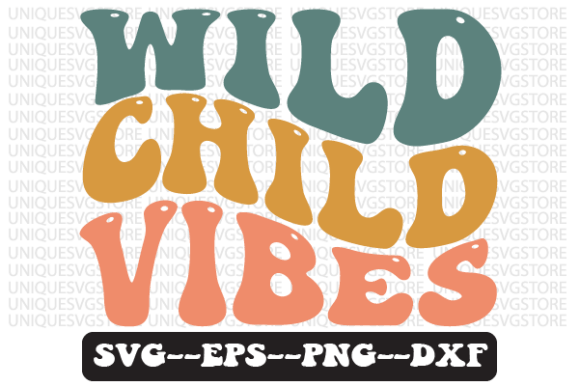
Wild Child Vibes Wavy Retro Svg Design Review
As a designer who spends more time staring at stitch density charts and fabric swatches than scrolling through social media, I approach every new digital asset with a healthy dose of skepticism. The market is flooded with "vintage" graphics that look nothing like vintage when stitched. That is why I took Wild Child Vibes Wavy Retro Svg Design for a real-world spin. I didn’t just look at the vector file; I imagined it on the hoop. I thought about how it would hold up after twenty wash cycles in a customer’s laundry basket. This review is for the embroidery designers, Etsy sellers, and craft business owners who need to know if this design has enough visual punch to sell, but enough structural integrity to survive production.
First Impressions: Mood and Visual Personality
The moment you open the file, the vibe is unmistakable. We are talking 70s-inspired groovy aesthetics, characterized by fluid, wavy lines and a playful, rebellious energy. It screams "wild child," but in a way that feels curated rather than chaotic. For an embroidery project, this translates to a design that relies heavily on flow and rhythm. The curves are soft, which suggests a reliance on fill stitches or perhaps a bold applique approach to capture that retro wave feel without looking jagged.
This isn’t a design for minimalist, corporate branding. It belongs in the realm of handmade products, personalized gifts, and boutique apparel. It has a distinct personality that stands out against plain backgrounds. When I visualize this on a cream-colored cotton tote bag or a heather grey sweatshirt, the contrast pops. It feels nostalgic yet fresh, tapping into the current trend of retro revival while maintaining a modern graphic sensibility. It is the kind of design that makes a passerby at a craft fair stop and ask, "Where did you get that?"
Real-World Application: Where It Shines
In my experience, the success of a machine embroidery design often depends on the substrate. Wild Child Vibes Wavy Retro Svg Design performs exceptionally well on structured fabrics where the canvas can support the weight of the thread. Here is how I see it fitting into specific product lines:
- Custom Apparel: On a high-quality cotton t-shirt or a heavyweight hoodie, the wavy lines create a tactile surface that invites touch. The retro theme pairs perfectly with streetwear aesthetics, making it ideal for custom apparel aimed at teens and young adults.
- Tote Bags and Canvas Goods: A classic application for this type of graphic. The sturdy nature of canvas allows for generous stitch coverage without puckering. It elevates a simple tote bag from a basic giveaway to a statement piece, perfect for an Etsy seller looking to boost average order value.
- Baby Embroidery Items: Despite the "wild" name, the soft curves make it surprisingly suitable for baby clothes or nursery decor. Imagine this on a muslin blanket or a onesie in pastel thread colors. It bridges the gap between trendy parent fashion and cute baby gear.
- Holiday Embroidery: The groovy aesthetic fits well with fall-themed merchandise, such as aprons or kitchen towels used for autumn harvest festivals or Thanksgiving gatherings. It adds a fun, non-traditional twist to holiday gifts.
Furthermore, because the source files include SVG, EPS, and DXF formats, this digital embroidery file is versatile. You aren't limited to just stitching. You can use the vector paths for heat transfer vinyl (HTV) projects or sublimation prints, creating a cohesive brand identity across different product types. This flexibility is crucial for small shop owners who want to maximize the utility of their design assets.
Technical Considerations and Potential Pitfalls
No design is perfect, and Wild Child Vibes Wavy Retro Svg Design requires careful planning to execute flawlessly. As an experienced reviewer, I must highlight areas where things could go wrong if you rush the process.
First, consider the stitch density. If the wavy lines are intended to be filled with dense satin or heavy fill stitches, you risk fabric distortion on lightweight materials. Always test on scrap fabric first. If you are working with thin fabric or stretchy knit, you will need a strong cut-away stabilizer to prevent the waves from warping during stitching. Conversely, if the design uses fewer stitches, it might look sparse on large garments. Check the file details to understand the balance.
Another critical factor is thread colors. The retro vibe relies on contrast. Using low-contrast threads (e.g., light beige on off-white fabric) will cause the design to disappear. I recommend using bold, saturated colors or monochromatic schemes with varied textures to make the waves pop. Also, inspect the smaller details. If there are tiny elements within the wavy pattern, ensure they are large enough to be stitched clearly. Tiny details often get lost in the bulk of a fill stitch, resulting in a muddy appearance.
Be cautious with curved surfaces like caps or hats. While the wavy shape might seem adaptable, the curvature of a hat crown can distort straight or sweeping lines if not digitized correctly. Ensure the design is hooped properly, possibly using a specialized cap frame, to maintain the integrity of the wave pattern.
Maximizing Product Value and Customer Trust
From a business perspective, the quality of execution directly impacts customer trust. A poorly stitched version of a popular design can damage your reputation. However, a well-executed embroidered patch or sweatshirt embroidery featuring this design signals professionalism. It shows that you care about the details. When customers receive a finished product that looks crisp, clean, and true to the original graphic, they are more likely to leave positive reviews and become repeat buyers.
This design also enhances brand consistency. If your shop focuses on fun, retro, or bohemian styles, adding this to your catalog reinforces your niche. It helps in creating a recognizable aesthetic that customers associate with your brand. For commercial embroidery clients, offering this design can attract younger demographics looking for unique, expressive merchandise.
Practical Designer Notes Before You Stitch
Before you commit to a full production run, follow these practical steps to ensure success:
- Test on Scrap Fabric: Never assume a design works on all fabrics. Test it on the exact material you plan to use for the final product.
- Check Hoop Size: Confirm that the design dimensions fit comfortably within your machine’s hoop size, leaving enough margin for easy handling.
- Review Stitch Types: Determine if the design uses satin stitch, fill stitch, or running stitch most effectively. Adjust thread tension accordingly.
- Black and White Mockups: View the design in grayscale to check contrast and balance before selecting thread colors.
- Confirm Licensing: Since this is a digital product, verify the license terms. Are you allowed to sell finished items? Can you use it in commercial projects? This is vital for avoiding legal issues.
In conclusion, Wild Child Vibes Wavy Retro Svg Design is a strong contender for any crafter or business owner looking to add a touch of retro flair to their inventory. It offers a blend of aesthetic appeal and versatility that, when executed with care, can result in highly desirable handmade products. Just remember: the magic happens in the preparation. Respect the fabric, choose the right threads, and let the design shine.