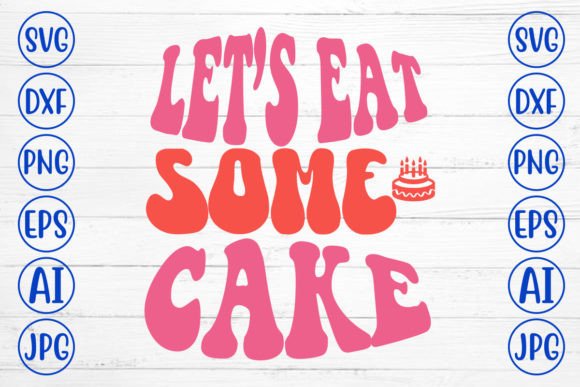
Let's Eat Some Cake Retro SVG
When I first opened the Let's Eat Some Cake Retro SVG file, my initial reaction wasn't just about the cute text or the nostalgic color palette. As someone who has spent years turning digital assets into tangible stitched goods, I immediately started thinking about how this design would behave under the needle. In the world of machine embroidery, a pretty image on a screen can often translate poorly to fabric if the stitch density isn't right or if the lettering is too fine for the chosen thread. This review looks past the marketing fluff to give you a practical breakdown of where this design fits in your workflow, specifically for those of us running small shops, selling on Etsy, or crafting personalized gifts for friends.
The First Stitch: Visual Personality and Mood
The vibe of Let's Eat Some Cake Retro SVG is undeniably warm and inviting. It taps into that specific "retro diner" aesthetic that has been popular for years but never really fades away. The typography feels hand-drawn and slightly imperfect, which is perfect for handmade products because it adds character. Unlike rigid, corporate vector fonts, this design suggests a cozy bakery, a family reunion, or a casual coffee date. When I look at the layout, it screams "comfort." It naturally belongs on items that are meant to be used and enjoyed, rather than stiff formal wear. For a craft business owner, this mood translates directly to higher perceived value; customers buy these items not just for the utility, but for the feeling of nostalgia and joy they evoke.
Real-World Application: A Case Study in Custom Tote Bags
To truly understand the potential of this design, let's imagine a real scenario. You are preparing inventory for an upcoming holiday craft fair. You decide to create a line of custom embroidered tote bags featuring sweet treats. You pull up Let's Eat Some Cake Retro SVG and place it on a canvas bag mockup. The layered nature of the file allows you to separate the cake elements from the text, giving you incredible flexibility. You could stitch the cake in a vibrant yellow satin stitch and the text in a contrasting dark blue fill stitch.
However, once you move from the screen to the hoop, things change. If you were planning to put this on a baby onesie, the scale needs careful consideration. A design that looks huge on a 15x15 inch tote might overwhelm a tiny chest area on infant clothing. Conversely, on a kitchen towel or a large apron, the design commands attention without looking lost. I've seen many designers fail here by assuming a one-size-fits-all approach. With this specific retro style, I found it works best as a statement piece on medium-to-large surfaces like sweatshirts, pillow covers, or even as a central patch on a denim jacket. The visual weight of the design balances well with heavy fabrics, creating a finished product that feels substantial and professional.
Technical Performance and Stitch Clarity
When evaluating any embroidery file, I always ask: will the details hold up after washing? The Let's Eat Some Cake Retro SVG relies heavily on clean lines and bold shapes, which is generally good news for stability. However, if the original vector contains tiny serifs or extremely thin connecting lines between letters, those areas can become messy when converted to stitches. The retro font likely uses some delicate curves. Before committing to a full production run, you must check the stitch density settings in your digitizing software. If the fill stitch is too dense, the fabric might pucker, especially on stretchy materials like cotton jersey t-shirts. If it is too loose, the backing material might show through, ruining the crisp look of the retro theme.
For those working with textured fabrics, like fleece hoodies or thick terrycloth towels, this design shines. The texture of the fabric complements the chunky, vintage feel of the typography. But be cautious with smooth, slippery synthetics or very thin linens. On these materials, the tension required to lay down the satin stitches might cause the fabric to shift, leading to misalignment. Always test your thread colors against the fabric background. A light-colored cake design on a white shirt requires high-contrast thread, whereas the same design on a black sweatshirt allows for more creative freedom with neon or pastel threads.
Where to Exercise Caution
While this design is versatile, there are specific scenarios where it might struggle. Small hoop sizes are a common pitfall. If you try to fit the entire phrase and graphic into a 4x4 hoop, the lettering may become illegible, and the spacing between elements will look cramped. Similarly, applying this to curved surfaces like baseball caps requires a specialized cap frame and careful hooping to ensure the text doesn't distort. Dark fabrics also present a challenge; unless you use a high-quality underlay or a specific stabilizer to prevent show-through, the retro colors might get lost in the weave of the fabric.
Another area to watch is products that undergo frequent washing. If you plan to sell these as commercial merchandise, such as work aprons for restaurants or gym towels, ensure the design has enough coverage to withstand abrasion. Thin lines in the lettering might fray over time. For these high-use items, it is often better to simplify the design or add a border to protect the edges.
Impact on Brand and Customer Trust
In the competitive world of Etsy sellers and small shop owners, presentation is everything. A well-executed embroidery project signals professionalism. Using a high-quality file like Let's Eat Some Cake Retro SVG ensures that your finished product looks intentional and polished. Customers can tell the difference between a rushed job and something made with care. When a buyer sees a clear, crisp design on a personalized gift, their trust in your brand increases. They are more likely to leave a positive review and return for future purchases. Furthermore, the retro aesthetic has a timeless quality that appeals to a broad demographic, making it a safe bet for inventory that won't go out of style quickly.
Practical Designer Notes for Success
Before you start stitching, follow these essential steps to guarantee a great result:
- Test on Scrap Fabric: Never jump straight into your final product. Run a test on a scrap piece of the same fabric to check for puckering and thread tension.
- Check Layer Separation: Ensure the layers in the downloaded zip file are correctly separated so you can assign different thread colors to the cake, the text, and the decorative elements independently.
- Verify File Formats: The download includes SVG and EPS files. Confirm that your embroidery machine software can read these formats without needing conversion that might alter the stitch path.
- Stabilizer Selection: Use the appropriate stabilizer for your fabric type. Heavy cut-away stabilizer is usually best for apparel, while tear-away might suffice for stable home decor items.
- Licensing Check: If you intend to sell the finished physical products, double-check the license terms included with the digital download to ensure you have the right to do so.
Ultimately, Let's Eat Some Cake Retro SVG is a strong addition to any designer's library. It offers the charm of a handmade item with the efficiency of a digital asset. Whether you are creating a unique baby shower gift, expanding your boutique's apparel line, or adding a fun touch to a holiday collection, this design provides the foundation for a successful embroidery project. Just remember that the magic happens in the execution, so take the time to prep your machine and fabric properly.