Iced Coffee Retro Svg Design Review
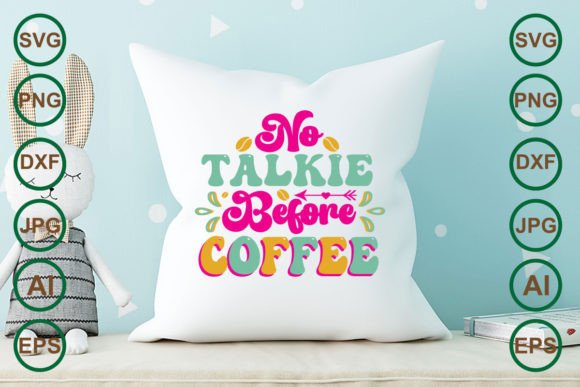
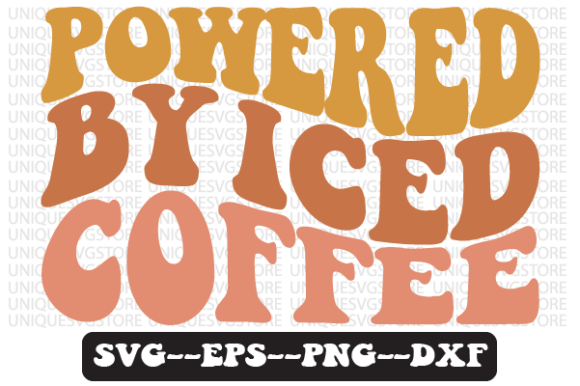
As a designer who spends half my day staring at digitizing software and the other half testing stitch-outs on scrap fabric, I have developed a healthy skepticism for every new graphic file that lands in my inbox. The market is flooded with generic clip art, but there is something specific about Powered by Iced Coffee Retro Svg Design that caught my eye. It isn’t just another coffee cup illustration; it carries a distinct mood. When you look at the wavy lines and groovy aesthetic, you are looking at a design that screams mid-century modern nostalgia mixed with contemporary caffeine culture. But does it translate well from a flat digital vector into a tangible, stitched product? That is the question that matters most to embroidery designers, small business owners, and Etsy sellers.
The First Impression: Mood and Visual Personality
Before we even talk about stabilizers or hoop sizes, we need to discuss the visual personality of this wavy retro svg design. The moment you load the file, the energy is palpable. It feels relaxed, fun, and slightly chaotic in a way that appeals to the modern maker. The "groovy" aspect suggests movement, which is crucial because static designs can sometimes feel stiff when embroidered. This design has flow. For an embroiderer, flow is your friend because it allows for creative decisions regarding thread direction and fill patterns. It creates a sense of liquid motion, which makes perfect thematic sense for an iced coffee theme. It doesn’t just sit on the fabric; it seems to ripple across it.
This kind of visual appeal is exactly what drives engagement on platforms like Etsy or Instagram. Customers scroll past boring, rigid logos all day. A design that feels alive, playful, and nostalgic stops the thumb. If you are a creative entrepreneur looking to build a brand around comfort, morning routines, or cozy aesthetics, this powered by iced coffee retro svg design aligns perfectly. It signals to the buyer that the product inside is handmade with care and designed with a sense of humor.
Real-World Application: From Screen to Stitch
Let’s imagine a real scenario. You are preparing for the upcoming holiday season or perhaps launching a spring collection for your boutique. You decide to create a line of custom embroidered tote bags and sweatshirts. You pull up Powered by Iced Coffee Retro Svg Design on your screen. How does it behave?
For a tote bag design, this file is a strong contender. The bold, wavy lines read well on canvas or cotton duck fabric. Because the design relies on shape and curve rather than tiny, intricate details, it holds up well against the texture of heavy-duty bags. However, if you are moving to sweatshirt embroidery, you need to be more strategic. A crewneck sweatshirt provides a smooth, dense surface, but the placement matters. Center chest is classic, but a left-chest pocket placement with a scaled-down version of the wavy motif can look incredibly chic and professional. It transforms a basic garment into a statement piece.
I also see potential here for baby embroidery. Think about onesies or burp cloths. The soft, rounded curves of the retro style are gentle and appealing for nursery decor or baby gifts. It avoids the harsh angles that can sometimes look aggressive in infant wear. Pairing this groovy png sublimation design vibe with pastel threads on white or cream fabric creates a high-end, boutique feel that parents are willing to pay a premium for. It turns a simple gift into a memorable keepsake.
Technical Considerations for Embroidery Designers
Now, let’s get practical. As an experienced reviewer, I must highlight where this design requires careful handling. Not every file is created equal, and assuming it will stitch out perfectly without preparation is a recipe for frustration. Since the source description mentions it comes as an SVG, EPS, and DXF, you are likely working with a vector-based graphic that needs to be digitized or traced for machine use. This means the quality of your final output depends heavily on how you interpret those vectors.
Stitch Density and Detail: Wavy designs often tempt designers to use long, continuous stitches. In embroidery, long runs can lead to puckering, especially on stretchy fabrics. You must ensure that the digitizing software breaks these waves into manageable segments. Check the stitch density carefully. If the design is too dense, it will become stiff and uncomfortable to wear. If it is too sparse, the fabric texture might show through, ruining the clean look of the thread colors. Always test the design on scrap fabric first. This is non-negotiable advice for any professional.
Fabric Texture and Stability: This design looks fantastic on smooth fabrics like jersey knits for t-shirts or tight-weave cottons for aprons. However, be cautious with highly textured fabrics like chunky chenille or loose linen. The wavy lines might get lost in the weave. Similarly, if you are attempting this on dark fabric, you will need to choose your thread colors wisely. High contrast is key. A light, creamy thread on a black hoodie will make those retro waves pop, whereas a dark thread on dark fabric will disappear. Always inspect small details in black and white mockups before committing to expensive specialty threads.
Hoop Size and Placement: Ensure the design fits comfortably within your standard hoop sizes. While the description doesn't specify exact dimensions, wavy designs can sometimes require wider hoops to accommodate the full curve without clipping. If you are placing this on a curved surface like a cap, remember that distortion will occur. You may need to adjust the curvature of the design digitally before stitching to compensate for the hat's shape.
Where to Use With Caution
There are specific products where this design should be used sparingly or avoided altogether. Tiny lettering or decorative accents that are part of the wave pattern might not survive frequent washing if they are too fine. Avoid using this on thin, sheer fabrics unless you are using a heavy-duty cut-away stabilizer, as the tension required for the wavy fills could tear delicate material. Also, be mindful of layered garments; thick embroidery on top of existing seams can cause discomfort. Stick to flat, sturdy areas for the best result.
Commercial Value and Brand Consistency
For the Etsy seller or small shop product creator, the value of this design lies in its versatility and emotional resonance. It fits seamlessly into the current trend of "cozy core" and retro revival. When you offer a finished product featuring Powered by Iced Coffee Retro Svg Design, you aren't just selling a mug or a pillow; you are selling a lifestyle. The design communicates that the wearer appreciates humor, nostalgia, and quality craftsmanship.
Consistency is key in building a brand. If you use this style across multiple items—perhaps scaling it down for an embroidered patch or expanding it for a large wall hanging—the cohesive visual language strengthens your shop’s identity. Customers recognize the style and come back for more. It elevates the perceived value of your handmade product, allowing you to command higher prices because the design work appears intentional and polished.
Final Verdict and Practical Next Steps
In conclusion, Powered by Iced Coffee Retro Svg Design is a versatile, mood-rich asset that offers significant potential for craft businesses and hobbyists alike. Its wavy, groovy aesthetic translates beautifully to apparel, home decor, and personalized gifts, provided it is handled with technical care. It is not just a graphic; it is a conversation starter.
Before you start mass-producing, follow these steps:
- Test Rigorously: Stitch the design on the actual fabric you plan to sell. Check for puckering, thread breaks, and clarity of the waves.
- Check Licensing: Confirm whether you have commercial rights to sell finished items made from this file. This is critical for protecting your business.
- Optimize for Product: Adjust the size and placement based on the specific item, whether it is a kitchen towel, a pillow cover, or a cap.
- Create Mockups: Use printable mockups to visualize how the design looks in different contexts before investing in materials.
If you approach this design with the mindset of a professional—respecting the limitations of the medium and leveraging its strengths—you will find that it adds a unique, profitable touch to your portfolio. It is a smart choice for anyone looking to inject some retro soul into their craft business offerings.