Have a Great Summer Retro Svg Review
As a designer who spends half my life staring at stitch density charts and the other half trying to sell handmade goods online, I don’t just look at an embroidery file; I look at its potential. I see how it translates from a digital vector into a tactile, stitched reality. When I first pulled up Have a Great Summer Retro Svg, my immediate reaction wasn’t about the nostalgia—it was about execution. Would this hold up in a real hoop? Would it read clearly on a busy fabric? And most importantly, would a customer actually want to wear or display it?
This review is for the crafters, Etsy sellers, and small business owners who need to know if this design is worth their time and thread. We are looking at a product that falls squarely into the Crafts and Graphics categories, but for us, those labels translate to revenue, client satisfaction, and creative fulfillment.
The First Impression: Mood and Visual Personality
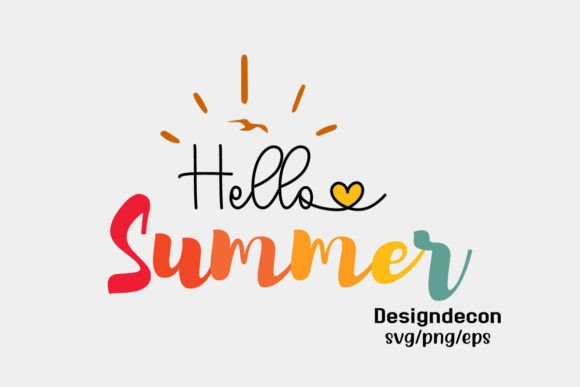
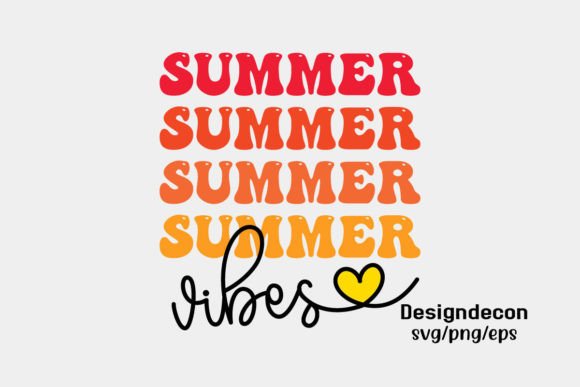
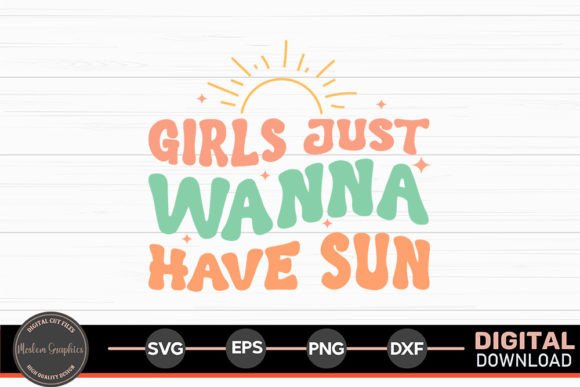
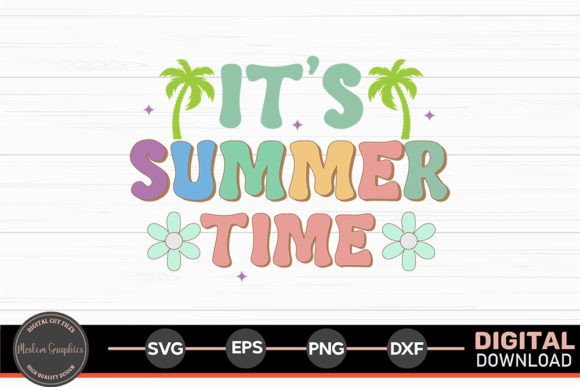
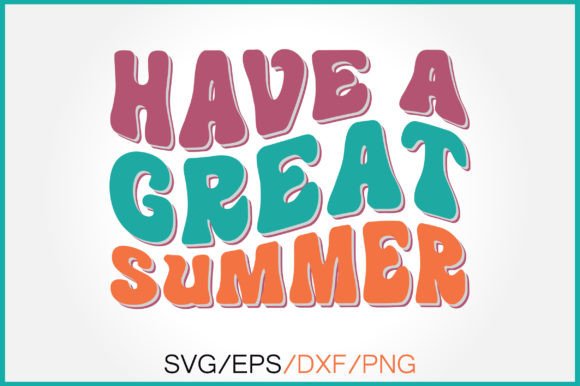
The moment you load the design, the retro aesthetic jumps out. It’s not just a generic summer quote; it has a specific visual rhythm. The typography feels bold and confident, reminiscent of mid-century signage or vintage resort wear. For an embroidery project, this is crucial. Retro styles often rely on clean lines and strong contrast, which makes them naturally suited for machine embroidery. Unlike intricate floral patterns that can get lost in thick fleece, a graphic text-based design like Have a Great Summer Retro Svg demands attention.
The mood it creates is effortless joy. It suggests leisure, sunshine, and relaxed weekends. This isn’t a design for a somber occasion; it’s for bright, happy moments. When I imagine this stitched onto a canvas tote bag or a crisp white t-shirt, it immediately elevates the item from "basic merchandise" to "curated lifestyle product." That distinction is what drives sales in the handmade market. Buyers aren’t just buying a shirt; they are buying into the vibe the design projects.
Real-World Application: Where Does This Shine?
I’ve taken this design through several mental mockups to see where it fits best in a commercial or personal workflow. Here is where Have a Great Summer Retro Svg truly excels:
- Custom Apparel & Sweatshirts: This is perhaps the strongest use case. Imagine this embroidered on the front left chest of a heather grey sweatshirt or centered on a vintage-wash tee. The retro font pairs beautifully with distressed fabrics. It feels authentic, not mass-produced.
- Tote Bags & Market Bags: A sturdy cotton canvas tote with this design stitched in contrasting thread (like mustard yellow on navy blue) becomes an instant accessory. It’s practical, stylish, and highly giftable.
- Baby & Nursery Items: Soft onesies or muslin blankets benefit from the playful nature of the design. However, care must be taken with placement. On baby clothes, smaller sizing is key to keep the design proportional and cute rather than overwhelming.
- Kitchen & Home Decor: Tea towels and aprons are underrated markets. A kitchen towel with this summer vibe adds a pop of color to any home. It’s a low-cost item that serves as a great impulse buy for craft fair customers.
- Embroidered Patches: If you offer patches as add-ons, this design works well as a morale patch for backpacks or denim jackets. The clear edges make for a clean applique or satin-stitch border.
For the Etsy seller or small shop owner, versatility is king. Because this design is seasonal yet timeless, you can rotate it through your inventory year after year. It doesn’t tie you to a specific holiday, giving you flexibility in your marketing calendar.
Technical Considerations: Stitching Reality vs. Digital Fantasy
Here is where many designers stumble. A design looks perfect on screen, but how does it behave under the needle? When evaluating Have a Great Summer Retro Svg, we have to think about the mechanics of stitching.
Stitch Density and Clarity: Text-based designs live or die by their legibility. If the stitch density is too high, the fabric will pucker. If it’s too low, the background fabric shows through, making the letters look thin and cheap. You need to inspect the fill stitches closely. Ensure that the curves in the retro lettering are smooth and not jagged. A good machine embroidery design should flow naturally, avoiding unnecessary jump stitches that could snag on delicate fabrics.
Fabric Compatibility: This design requires a stable base. While it might work on a stretchy jersey knit, you will need a heavy-duty stabilizer to prevent distortion. Woven fabrics like cotton, linen, or denim are ideal because they provide the structure needed to keep the retro lines sharp. Avoid using this on highly textured fabrics like chunky wool or bouclé, as the detail will be lost in the weave.
Thread Color Strategy: The visual appeal of this piece depends heavily on contrast. A light-on-light combination might wash out the retro vibe. I recommend pairing this with vibrant, saturated threads. Think classic summer palettes: coral, turquoise, goldenrod, or deep teal against neutral backgrounds. Always test your thread colors on the actual fabric before committing to a full production run.
Where to Be Cautious
There are certain scenarios where this design might not perform as well:
- Small Hoop Sizes: If you are working with very small hoops, ensure the design scales down without losing critical details. Tiny lettering can become illegible when stitched, turning a cool design into a blurry mess.
- Curved Surfaces: Embroidering directly onto a curved surface like a baseball cap requires advanced technique. While possible, it increases the risk of puckering. Flat surfaces like bags, shirts, and pillows are safer bets for consistent results.
- Dark Fabrics: If you plan to use this on dark fabric, you may need an underlay or a lighter thread color to ensure the design pops. Dark-on-dark embroidery often lacks impact unless the texture of the stitch provides enough visual interest.
Product Value and Customer Perception
From a business perspective, the quality of the embroidery file directly impacts perceived value. Customers can often tell the difference between a poorly digitized design and a professional one. A design like Have a Great Summer Retro Svg, when executed correctly, signals professionalism. It suggests that the maker cares about the finish.
This matters for commercial embroidery projects. If you are creating branded merchandise for clients, consistency is key. Using reliable, well-structured files ensures that every unit looks identical. This builds trust and encourages repeat orders. Furthermore, for personalized gifts, the emotional connection is stronger when the product looks polished. No one wants to give a gift that looks frayed or misaligned.
Practical Designer Notes for Success
Before you hit the start button on your machine, follow these steps to ensure the best outcome:
- Test on Scrap Fabric: Never skip this step. Test the design on the exact fabric and stabilizer combination you plan to use for the final product. Check for puckering, thread breaks, and tension issues.
- Check File Formats: The download includes SVG, EPS, DXF, and PNG formats. Use the appropriate format for your needs. DXF is typically used for embroidery machines, while SVG/EPS are better for cutting or vector editing. PNG is useful for mockups. Ensure you are using the correct file for your software.
- Review Licensing: If you are selling finished products, double-check the license terms. Some digital assets allow commercial use, while others do not. Confirming this prevents legal headaches later.
- Inspect Small Details: Zoom in on the digital file. Are there any tiny elements that might not stitch well? If so, consider simplifying the design or adjusting the scale.
- Use Proper Stabilizer: As mentioned, stability is key. Choose a cut-away stabilizer for stretchy fabrics and a tear-away for wovens, depending on the weight of the material.
Final Verdict
Have a Great Summer Retro Svg is more than just a pretty image; it is a functional tool for creators. It captures a popular aesthetic while remaining technically viable for machine embroidery. Whether you are making custom apparel, holiday embroidery gifts, or expanding your craft business inventory, this design offers a solid foundation for success.
It works best when paired with quality materials and thoughtful color choices. By respecting the technical requirements of embroidery—stabilization, tension, and fabric choice—you can transform this digital asset into a tangible, desirable finished product. For the designer willing to put in the prep work, the payoff in both customer satisfaction and sales potential is significant. It’s a smart addition to any designer’s library ready for the warm months ahead.