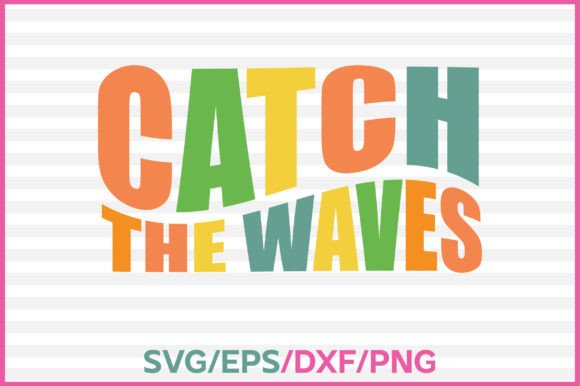
Catch the Waves Retro Svg Embroidery Review
As a designer who spends half my life staring at stitch charts and the other half trying to sell what I create, I don’t just look for pretty pictures. I look for designs that translate well from screen to fabric. When I first pulled up Catch the Waves Retro Svg, my immediate reaction was less about the aesthetic and more about its potential utility in a real-world craft business. The retro wave motif is everywhere right now, but finding one that balances nostalgia with clean lines suitable for machine embroidery is harder than it sounds. This download includes SVG, EPS, DXF, and PNG formats, which suggests versatility, but for an embroiderer, the vector files are only as good as how they digitize.
First Impressions and Visual Personality
The moment you load this design into your hoop simulation software, the mood is set. It’s breezy, nostalgic, and undeniably summery. The "retro" aspect implies those mid-century modern color palettes—think mustard yellows, teal blues, and soft corals—that pop against neutral backgrounds. From a visual standpoint, the shape feels balanced. It doesn’t scream for attention; instead, it offers a comfortable, familiar comfort that works exceptionally well for lifestyle branding.
For designers, the layout is likely structured to avoid unnecessary clutter. A common mistake in wave designs is overcomplicating the crest of the water, leading to muddy stitching when rendered in thread. If this design maintains a clean silhouette, it will hold up better on varied fabrics. The personality here is relaxed. It’s not aggressive or overly detailed. It says, "I’m here to make your customer feel calm and stylish." That is a powerful selling point for handmade products, especially when targeting audiences looking for coastal living vibes or beach house decor.
Real-World Application: From Screen to Stitch
Let’s talk about where this actually lives in a finished product. I imagine Catch the Waves Retro Svg performing beautifully on a heavy cotton canvas tote bag. The contrast between the crisp white canvas and vibrant thread colors would highlight the retro aesthetic perfectly. It’s also a strong candidate for sweatshirt embroidery, particularly on cream or oatmeal-colored fleece. The warmth of the fabric complements the vintage feel of the graphic.
Beyond apparel, consider the home goods market. This design could easily transition into pillow covers or kitchen towels. A tea towel featuring this motif brings a touch of whimsy to a modern farmhouse kitchen. For baby items, such as burp cloths or small blankets, the soft curves are gentle and appropriate, making it a thoughtful choice for baby showers or new parent gifts. It also works well as an embroidered patch, adding a cool accent to denim jackets or backpacks for older kids and teens.
For the Etsy seller or small shop owner, this design hits several key trends simultaneously. It fits into the "coastal grandmother" aesthetic, the general retro revival, and the demand for personalized gifts. Whether you are creating custom apparel for a local boutique or selling digital embroidery files to other makers, this asset has broad appeal. It’s versatile enough to be a standalone piece or part of a larger collection, perhaps paired with simple text like "Summer State of Mind" or a location name.
Where Caution Is Required
However, no design is perfect for every situation. There are specific scenarios where Catch the Waves Retro Svg might struggle if not handled with care. First, consider the scale. If you attempt to digitize or stitch this in a very small hoop size, you risk losing the integrity of the wave details. Tiny dots or thin lines may merge together, creating a blob rather than a distinct shape. Always check the minimum recommended hoop size before committing to production.
Fabric texture is another critical factor. While this design looks great on smooth cottons and polyesters, it may get lost on highly textured fabrics like chunky knits or bouclé. The stitches won’t lay flat, and the visual impact diminishes. Similarly, stretchy fabrics require careful stabilization. Without proper backing, the tension of the embroidery can pucker the fabric, distorting the wave shape and making the product look unprofessional.
Dense stitch areas should also be monitored. If the design uses heavy fill stitches in certain sections, it can become stiff and uncomfortable to wear, particularly on t-shirts or baby clothes. You want the final product to feel soft and wearable, not like a rigid plaque. Additionally, dark fabrics present a challenge. If the design relies on light thread colors for definition, you must ensure there is enough contrast. Testing on black or navy fabric is essential to see if the details remain visible.
Technical Considerations for the Designer
Before you start printing mockups or listing items on your shop, there are practical steps every designer should take. First, inspect the file structure. Since the download includes various formats, ensure you are using the correct one for your digitizing software. Convert the vector to an embroidery format carefully, paying close attention to stitch types. Look for a healthy mix of satin stitches for outlines and fill stitches for body, avoiding excessive running stitches that add little value.
Thread color selection is crucial for achieving that retro vibe. Don’t just use default colors. Experiment with variegated threads or metallic accents to elevate the design. However, be mindful of thread sheen; too much shine can clash with the matte finish of cotton fabrics. Test your chosen color palette in black and white mode within your software. If the design lacks contrast without color, it won’t read clearly once stitched.
Stabilizer choice cannot be overstated. For a design like this, which likely has open spaces and defined edges, a cut-away stabilizer is often best for durability, especially for items that will be washed frequently, like tote bags or aprons. For temporary projects like caps or hats, a tear-away might suffice, but always test for stability. Run a sample stitch-out on scrap fabric that mimics your final material. Check for any skipped stitches, loose threads, or registration issues.
Final Verdict on Value and Appeal
Ultimately, Catch the Waves Retro Svg offers solid value for both personal creators and commercial sellers. Its strength lies in its adaptability and timeless theme. It doesn’t rely on fleeting trends but taps into a enduring love for coastal aesthetics. For the craft business, it provides a reliable product that customers recognize and appreciate. It enhances brand consistency by offering a cohesive look across different merchandise types.
Whether you are designing a personalized gift for a friend or building a line of boutique apparel, this design serves as a strong foundation. It encourages creativity while providing a professional result. Just remember to respect the technical limitations of embroidery. By testing thoroughly and choosing the right materials, you can transform this digital asset into a tangible, high-quality finished product that stands out in a crowded market.
In the world of graphics and crafts, simplicity often wins. This design understands that. It captures the essence of the ocean without getting bogged down in complexity. For anyone looking to add a touch of retro charm to their embroidery repertoire, it is a worthy addition to your design assets library.